Small residential blocks and converted houses
Block Management for Small Blocks in London
East Valley Properties is an independent managing agent based in Romford. We manage small residential developments across London, including smaller purpose-built blocks and converted houses run by resident management companies, RTM companies, share-of-freehold companies and freeholders. Fees start from £2,495 per year, we do not currently charge VAT, and we take no contractor or insurance commissions.
- Independent managing agent, directors keep control
- Fees from £2,495 per year, agreed in writing
- No contractor, insurance or utility commissions
- A named contact who knows the building
Short answer
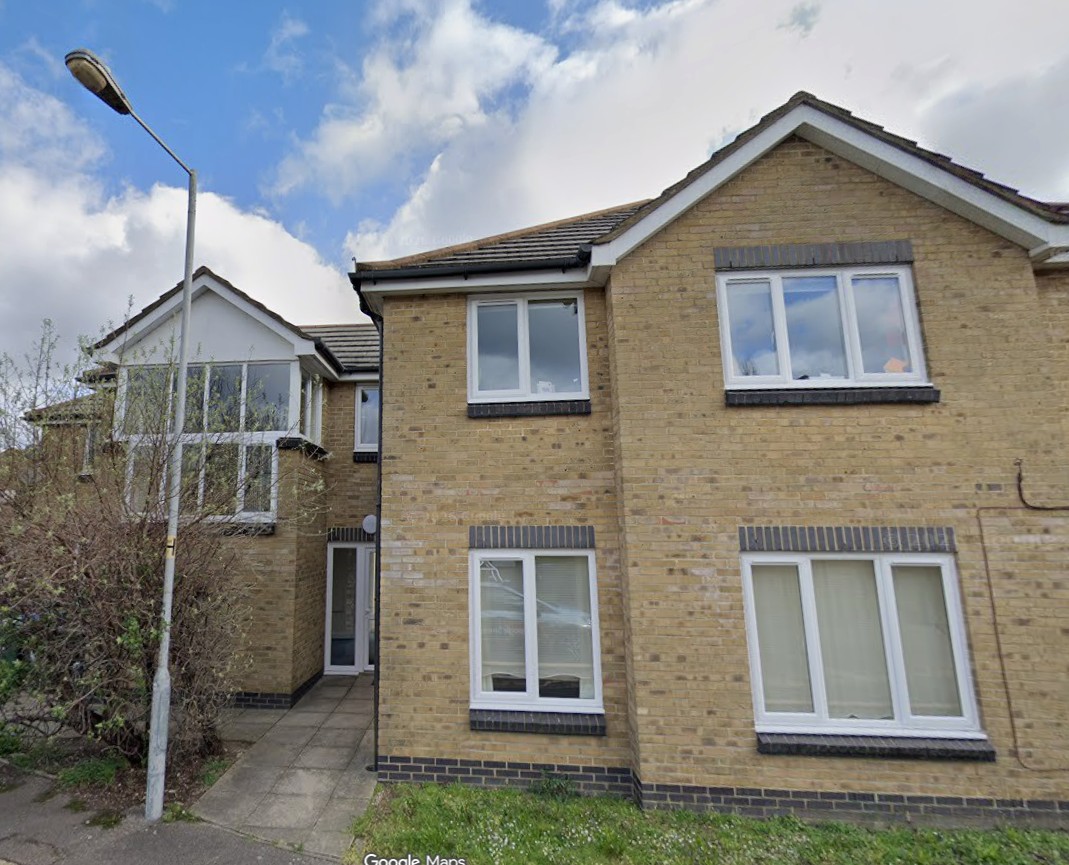
East Valley Properties provides professional block management for smaller residential developments in London, including houses converted into flats, smaller purpose-built blocks, and buildings run by resident management companies, RTM companies, share-of-freehold companies and freeholders where the instruction suits us. There is no universal legal definition of a "small block", and size alone does not remove the core management functions: budgets, service charge demands, financial administration, insurance, maintenance and compliance still have to be handled properly. Our block management fees start from £2,495 per year and East Valley does not currently charge VAT.
Who this service is for
This page is about small residential developments specifically. We also manage larger developments - see our block management service and block management across London for the wider picture.
Smaller purpose-built blocks
Modern and older purpose-built developments where the communal areas, plant and compliance obligations are real but the budget has to stay proportionate.
Converted houses
Victorian, Edwardian and interwar houses converted into flats, where leases are often older, apportionments vary and the structure is shared between a handful of leaseholders.
RMCs and RTM companies
Resident management companies and RTM companies running their own development, whether newly formed or moving away from a previous agent.
Share of freehold developments
Resident-owned freehold companies that need service charge administration, company records and compliance coordination handled properly.
Freeholders of smaller blocks
Freeholders responsible for small residential developments who want hands-on management and clear reporting rather than a volume service.
Why small blocks need proportionate management
Smaller developments are not simply large blocks with fewer flats. The practical pressures are different, and the service has to reflect that.
Minimum fees bite harder on small developments
Every managing agent has a level below which a building cannot be run properly. On a small development that minimum is spread across fewer flats, so the per-unit figure matters more. The honest answer is to be open about the minimum and about what it buys, rather than quoting a per-unit rate that does not reflect the real cost of running the building.
Directors usually want direct access
In a small RMC, RTM or share-of-freehold company the directors are also residents. They want to speak to the person who knows their building, not be routed through a general enquiries queue.
Budgets have to be proportionate
A small development cannot absorb the same cost base as a large estate. Budgets, contracts and planned maintenance need to be scaled to the building and to what the lease actually allows to be recovered.
The obligations do not shrink
Insurance, fire safety, service charge accounting, statutory demand requirements, contractor management and reserve funding all still apply to a six-flat conversion. A smaller building is a smaller job, not a simpler set of duties.
A large-estate service model can fit badly
Processes built for a several-hundred-unit estate can leave a small block paying for structure it does not need while the practical work drifts. The service should be shaped around the development.
Why management can cost more per flat in a small block
A smaller development usually costs less to manage in total, but often more per flat. That is because much of the core work has to be done whether a building contains a handful of flats or dozens, and the cost of that work is then shared between fewer leaseholders. Depending on the building and what the leases require, that core work can include:
- preparing the annual service charge budget
- issuing service charge demands with the required statutory information
- day-to-day financial administration and expenditure records
- arranging year-end service charge accounts where these are required
- insurance administration, renewals and claims handling
- maintenance coordination and contractor management
- compliance administration appropriate to the building
- communication with directors and leaseholders
- arrears administration where payments fall behind
- statutory consultation where the qualifying thresholds are met
Not every item applies in the same way to every development, and the scope should be set against the individual building and its leases. It is also worth noting that because the qualifying thresholds for Section 20 consultation are calculated per leaseholder, a small development can reach them on a relatively modest job.
This is why comparing agents on price per flat alone can be misleading for a very small development. The more useful comparison is the total annual fee against the scope of work being provided, which is set out on our block management pricing page.
Managing converted houses
A large part of London's smaller leasehold stock sits in Victorian, Edwardian and interwar houses converted into two, three or four flats. These buildings are not difficult to manage well, but they raise questions that a modern purpose-built block usually does not, and the answers come from the individual leases rather than from a standard template.
Older leases
Leases granted decades ago can be drafted differently from one another even within the same building. What can be recovered through the service charge, and how, needs to be checked against the leases as they are written.
Apportionments
How costs are divided between the flats is set by the leases. Where the apportionment provisions are unclear or inconsistent, that needs to be identified early and handled properly rather than assumed.
Responsibility for different parts of the building
Responsibility for the structure, roof, external walls, windows, gardens and boundary features varies between conversions. Establishing who is responsible for what is the starting point for any budget or repair.
Shared roofs, structure and common parts
A shared roof or structural element can create a substantial cost for a very small number of leaseholders, which makes planned maintenance and reserve funding, where the lease allows it, particularly important.
Communal entrances and staircases
Even a modest shared hallway and stair needs lighting, cleaning arrangements where agreed, decoration and safe means of escape kept clear.
Insurance
Conversions need to be insured on a suitable basis for the whole building, with a current reinstatement figure and clarity over who arranges and administers the policy.
Repairs and small contractor jobs
Work in a converted house is often too small to interest larger contractors, so reliable local trades and sensible procurement matter more than a national supply chain.
Fire safety in the common parts
Where there are relevant common parts, fire safety duties apply to them and a suitable fire risk assessment carried out by a competent person is normally required. We coordinate specialists to carry out assessments; we do not carry them out ourselves.
Coordination between a small number of leaseholders
With only a few flats, decisions can stall if one leaseholder is unresponsive. Clear written proposals, budgets and records keep the building moving.
These are issues that can arise in conversions, not a description of every building. Each one has to be checked against the individual leases and the building itself, and where a point is legal rather than practical we say so and recommend advice.
How East Valley manages small developments
We are an independent managing agent. The board keeps control of budgets and significant expenditure, our fee is agreed in writing before appointment, and we take no commission from contractors, building insurance or communal utility supply.
Service charge administration
Annual budgets, demands issued with the statutory summary of rights and obligations, collection, arrears monitoring and expenditure reporting through the year.
Accounts and reserve funds
Coordination of year-end service charge accounts with an accountant, plus reserve fund administration in line with what the lease permits.
Maintenance coordination
Reactive repairs, planned maintenance and contractor procurement, with directors told what is happening and what it will cost.
Compliance coordination
Where applicable: fire risk assessments, fire door checks, health and safety and water hygiene. We coordinate competent specialists to carry out assessments; we do not carry them out ourselves.
Section 20 support where required
Consultation administration and leaseholder correspondence at each stage where the qualifying thresholds are met, including on smaller developments where the threshold is reached quickly.
Direct communication and director control
A named contact, agreed expenditure approval thresholds and reporting arrangements set with the board rather than left to the agent's discretion.
What small block management costs
Block management fees start from £2,495 per year, with the annual fee increasing according to the number of flats. East Valley Properties does not currently charge VAT. On a small development the starting fee is the figure that usually matters most, so we say it plainly rather than leaving it to a quotation.
The annual management fee reflects the actual management workload and the scope agreed, not simply the number of flats. Two developments with the same unit count can need very different amounts of work depending on the condition of the building, the communal plant, the compliance requirements that apply, the state of the service charge accounts and whether major works are running.
Section 20 consultation and major works administration may carry a separately agreed fee, set out before the work starts. The full fee schedule, including company secretarial work and Section 20 bands, is published in one place.
View our block management feesCredentials and how service charge money is held
- Block management is provided by East Valley Block Management Ltd.
- Registered with the Property Redress Scheme, membership number PRS054254.
- Professional indemnity cover of £1 million.
- We do not take commissions from contractors, building insurance or communal utility supply.
Service charge banking is generally established in the name of the relevant RTM company, RMC or freeholder rather than retained within East Valley Block Management.
A larger agent or an independent one?
There is no single right answer, and good work is done at both ends of the market. The sensible choice depends on the building. Factors worth weighing include direct access to the person actually managing the building, how many developments each property manager handles, local contractor knowledge, the specialist internal resources a larger firm can call on, capability on significant major works, the complexity of the building itself, and how the fee structure is put together.
If you are comparing agents now, our guide to choosing a block managing agent sets out the full selection framework, including a printable comparison checklist.
Small blocks, RTM companies, RMCs and share of freehold
Small developments are managed under several different structures, and the structure decides who appoints the managing agent and who approves the budget.
Resident management company (RMC)
RTM company
Share of freehold
Managed by a freeholder
Changing managing agent on a small development
Many boards contacting us already have an agent and want the building run differently. Whether you can change depends on who holds the appointment and what the existing management agreement says about term, notice and termination. In outline, the transition looks like this.
1. Review the current arrangements
Who holds the appointment, what the management agreement says about term, notice and termination, and what the lease requires.
2. Proposal
A written scope and fee for your development, so the board can compare it against what is being paid now.
3. Appointment
The RMC, RTM company, resident-owned freehold company or freeholder appoints us and a handover date is agreed.
4. Records and financial information
Leases, service charge accounts and budgets, bank and reserve fund balances, arrears, debtors and creditors, and company records.
5. Contractors, insurance and compliance
Contracts and service agreements, insurance policies and claims history, compliance records and any outstanding actions.
6. Communications
Leaseholders are told who to contact, how to report repairs and how service charge payments should be made from the changeover date.
More detail is set out in our guide to changing managing agent and in the managing agent handover checklist.
Work on smaller resident-controlled developments
Anonymised examples from our portfolio, which is concentrated in East London, Romford and the Essex border.
Service charge reset for a converted Victorian block
Reserve fund contributions during an RTM handover
Small block management FAQs
Talk to us about your small block
Tell us about the development and what is not working. We will tell you plainly whether we are the right agent for it.
What happens next?
Tell us about your block
Give us the basic details of the development and what you want to improve.
We review your requirements
We consider the building, current management arrangements and your priorities.
Receive a written proposal
We set out the proposed management scope, annual management fee and relevant additional charges.
Written proposals are normally sent within one working day. No obligation.